
A powerful side-byside can pull equipment, haul supplies and navigate difficult trails. One stretch of wet or deep snow can stop all other equipment.
Most problems aren’t caused by the horsepower. The problem isn’t always a matter of horsepower.
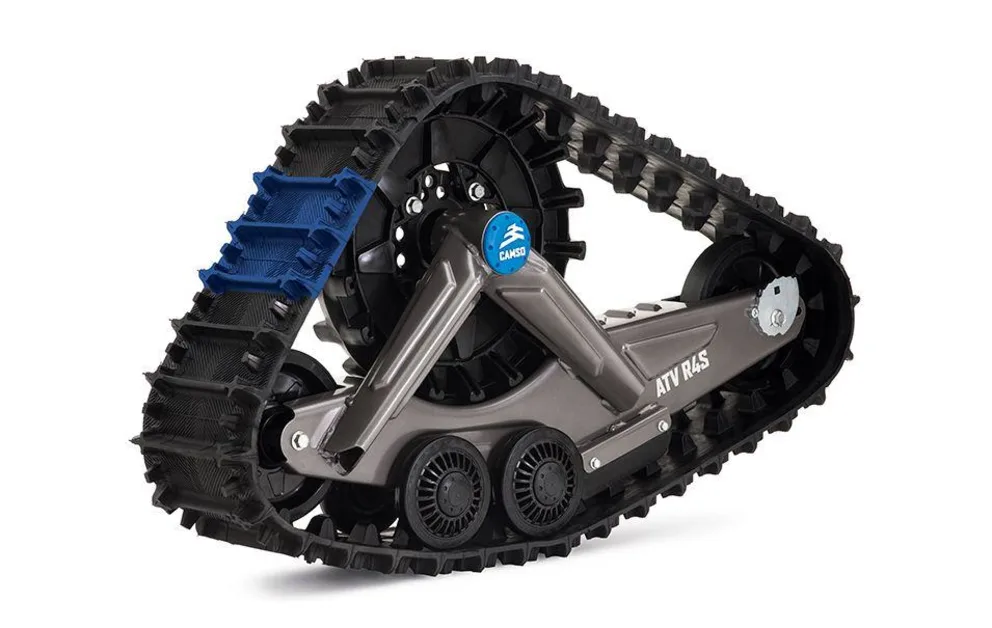
UTV tracks can be an ideal option. UTV tracks alter how your vehicle interacts with the environment and allow you to access areas that would be otherwise impossible due to winter or mud.
Traction isn’t the same as Flotation
Although aggressive tires could improve grip, they nevertheless concentrate the vehicle’s weight in four distinct zones.
UTV track system distributes weight over a large footprint. This decreases ground pressure and enables the machine to go over the soft and deep snow without sinking.
It is crucial to understand what the distinction is for practical reasons. After a snowfall property owner may need to get access to a fence. A farmer may have to walk through a wet pasture without causing deep ruts. Anyone who runs trails for the rural environment may require access in the springtime thaw. Tracks can ease the burden and lessen the risk of damage to vulnerable terrain.
The Right System Depends on Your Machine
Certain tracks aren’t designed for the same vehicles or load. ATVtracks.net carries four systems from Camso and Kimpex. The Camso UTV ENDUR is intended to be used with larger side-by-sides that are 1000cc or more, while the Camso 4S1 includes a variety of full-size machines within the 400-1000cc range.
The Kimpex HD4 supports machines within its published capacity of up to 4,000 pounds, while the Kimpex WSS4 follows its own manufacturer-specific compatibility list.
These categories are not guarantees that the tracks will be able to fit. Before purchasing side by side tracks, check your car’s make, model and year. Even similar machines can need different hardware for mounting.
Better Access comes with trade-offs
Tracks might improve access, but they don’t make UTVs less expensive or more efficient to use. Some of the manufacturers’ figures for planning reveal that certain systems slow down the speed of travel by up to 30 to 35 percent compared with tires. The increased resistance and weight increase the amount of fuel consumed, and puts additional demands on drivetrains.
This can be controlled through the use of low range, which limits sustained speeds, and following instructions from the manufacturer of the vehicle.
Rubber tracks wear faster if they are used continuously on gravel or pavements that is abrasive. They are more effective on suitable terrain, even if they’re intended to be used throughout the seasons.
Budget Units that go beyond the Track
Quality side by side track systems represent a substantial investment. ATVtracks.net’s systems start at a price of $6,000, and rise to $13,000, based on their designs.
The track unit isn’t always the entire installation. Other components, such as mounting hardware for your vehicle or anti-rotation hardware as well as hub or spacer parts could be needed. Buyers should confirm the complete parts list before ordering instead of believing that the advertised starting price covers all of the components.
Buy for the Conditions You Actually Have to
When a track system is the best option to solve an issue that is coming back, it makes sense.
If you are frequently in deep snow, muddy meadows fields that are muddy, or even challenging conditions during the season, trails could help your side-by-side complete more of the work. For occasional recreational use on trails with firm surfaces the extra cost and maintenance may be harder to justify.
ATVtracks.net has been around for more than two decades helping car owners choose the best, most reliable, and easy-to-install track systems. Their team can help verify the compatibility of the track and determine the parts needed for a specific vehicle.
Take note of how often you’re stuck with your machine, the terrain that causes it, and whether improved flotation could significantly improve your experience.
The best tracks won’t remove every obstacle in the terrain. But they can transform a side-byside sitting idle during tough conditions into a piece of equipment that which you can continue to use whenever accessibility is essential.


