
Temu and Shein have emerged amid the constantly evolving landscape of ecommerce giants as two contenders for the throne when it comes to affordability and acclaim. They have gained attention due to their rapid growth in the market as well as their budget-friendly products. It’s important to comprehend the differences between their approaches to business and not just comparing them.
The rise and fall of temu
The rise of Temu to fame has definitely drawn parallels to the story of success for Shein. Both companies have experienced rapid growth and caught the attention of budget-conscious shoppers. The cost-effectiveness of the items is what makes them attractive. They allow customers to look fashionable and not spend the money. Many have asked: Are Temu’s and Shein’s products made from the same material?
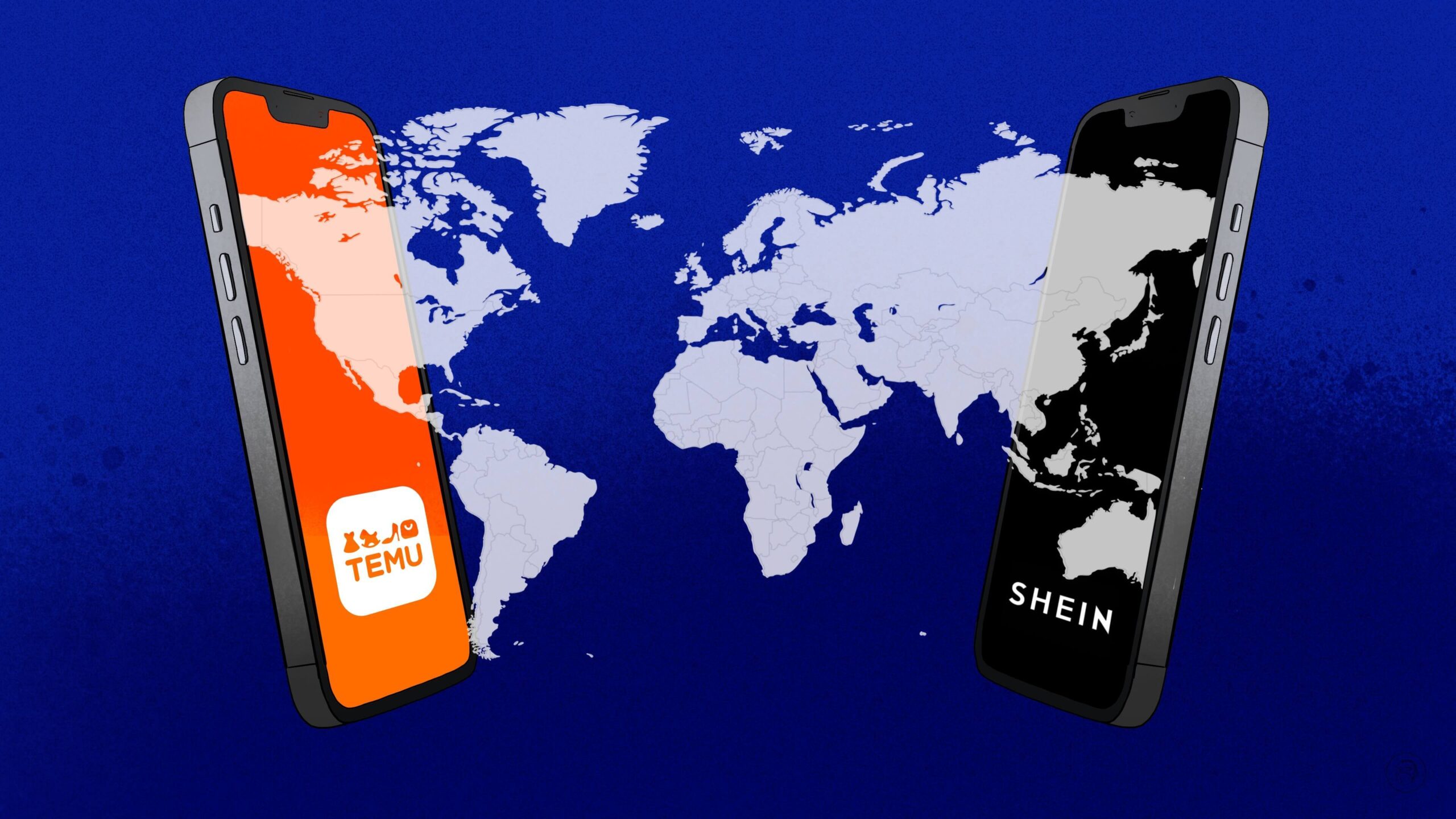
Similarities and differences
The products of Shein and Temu are similar in that they both provide affordable prices, but they’re not alike. Temu, with its innovative Next-Gen Manufacturing model is notable for its substantial savings across a variety of product categories. This model makes use of advanced manufacturing techniques to simplify production processes. It reduces overhead costs, and passes the savings onto customers.
Shein is renowned for its fast-fashion approach and concentrates on clothing accessories, as well as other related items. The appeal of Shein is that it stays up on the latest fashions, and offers a variety of choices to suit the different preferences. Shein is able to create a niche by focusing on fashion, accessories and beauty. For more information, click Temu vs Shein
The business model in the spotlight
Temu’s Next-Gen Manufacturing model deserves a closer look. Temu optimizes supply chain and manufacturing through the use of advanced technologies like data analytics and AI-driven information. They are able to maintain the quality of their products and cut costs for production. Temu can offer an array of goods that span such as household items to electronic with competitive cost. This is what sets Temu aside from Shein which is focused primarily on fashion and related products.
Although Shein truly covers a broad selection of fashion trends its business model relies around constantly updating its inventory to reflect constantly changing fashion preferences. This implies that the design, production as well as distribution times must be quick. This is definitely a factor in its popularity among younger audiences looking for fashionable items at low costs.
Ownership is crucial
One topic that has created interest is the question of whether Temu is owned by Shein. This assumption is false. Despite any superficial similarities or comparisons, Temu and Shein are separate entities, with different ownership structures. Temu is a separate player on the ecommerce scene, is focused on its own manufacturing process, whereas Shein is a company known for its fashion-forward products, is distinct.
The Takeaway
It’s not difficult to draw comparisons among companies with the same growth trajectory in the turbulent sea of e-commerce. The story of Temu & Shein shows that even though they share many similarities however, they have many distinctions. Their distinct approaches to production, business and focus on market highlight their individuality.
Temu’s Next Generation Manufacturing model is a testament to innovation within the online retail sector. Temu makes use of technology to optimize its processes. This does not just reduce costs, but also increases accessibility to a broad range of product categories. Shein’s passion for fashion and its speedy turnover of products, on the contrary, cements Shein as a leading brand in the fashion online retail sector.
Temu and Shein are two companies that serve buyers who are budget-conscious. However, the terrain of ecommerce is completely different. Although both companies serve those who value their money Their strategies and business plans as well their areas of expertise are drastically different. Temu’s manufacturing skills, and Shein’s fast fashion finesse, demonstrate the diverse nature of the ecommerce eco-system. As shoppers and online users, appreciate the distinctiveness these platforms bring to the table and continue exploring the ever-expanding universe of shopping online.


